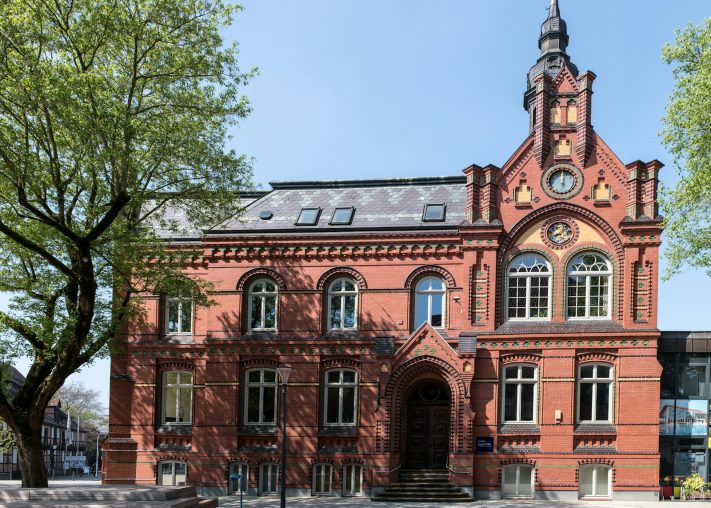
 Written by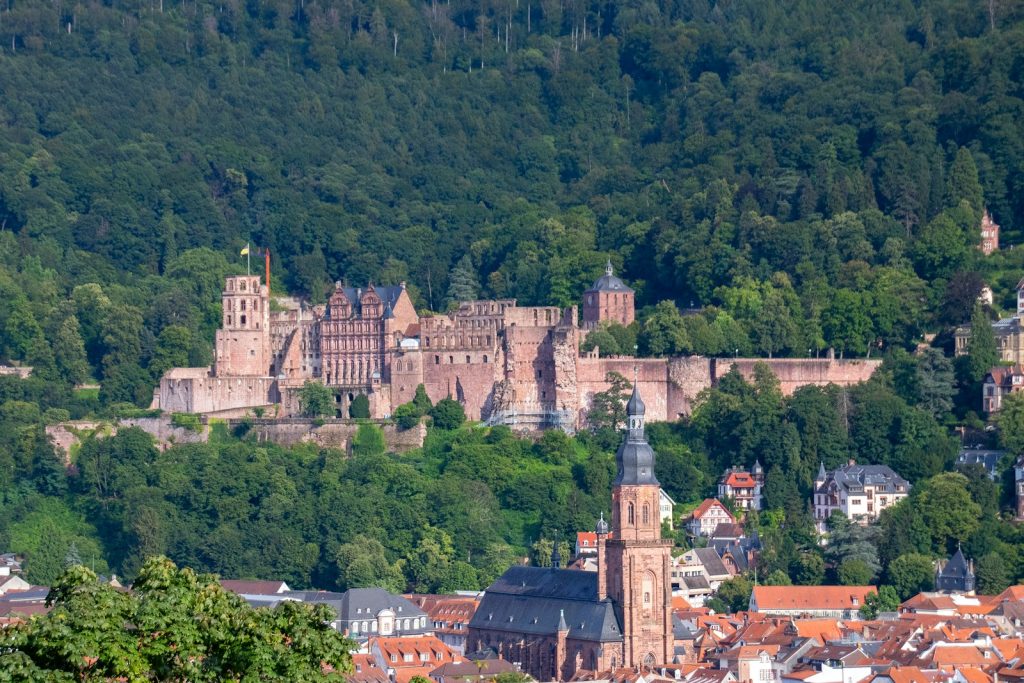
The birth of Heidelberg University in 1386
Approved by Papal Elector Palatine Rupert I. established on October 8, 1386 Heidelberg University in his city of residence. It was the third university in the Holy Roman Empire after Charles University (1348) and the University of Vienna (1365).
The university was initially named Ruperto Carola Heidelbergensis in honour of its two founders, Ruprecht I and Urban VI, and comprised only three faculties: theology, jurisprudence and philosophy. In two years later, the faculty of medicine was added. Marsilius von Inghen of the Netherlands served as the first rector of Heidelberg University.
Today’s Status of Heidelberg University -- One of The Top Five Unis in Germany

Heidelberg University is one of the top five higher schools with the highest DFG Funding Atlas, behind LMU Munich, TUM and RWTH Aachen University, and ahead of FU Berlin. In the THE World University Rankings 2025, Heidelberg University is ranked 47th, and in the QS World University Rankings 2024, it is ranked 84th.
It is recognised as a world-renowned university with outstanding resersh capabilities. With the most DFG funding, the natural sciences of Heidelberg University are ranked NO.1 in this area on the DFG funding list, and the life science are ranked the third. Heidelberg University is ranked 14th in the humanities and social sciences.
Heidelberg University in history
Taking a look at the history of this old university, we will find that it has experienced many ups and downs before finally achieving success today. In the 16th century, Heidelberg developed into the center of humanism, and the university celebrated its first golden age. It earned a special reputation as a stronghold of Calvinism, and the Heidelberg Catechism, the fundamental doctrinal book of the Reformed Church, was written here in 1563.
The golden period lasted until 1618, when the Thirty Years’ War caused severe damages to the university. Reconstruction was hindered after the war and the university was closed for many years. It was not until the beginning of the 19th century that the university was re-established by the first Grand Duke of Baden, Karl Friedrich. In honour of his savior, Karl Friedrich’s name was added to the university’s title, evolving into Ruprecht-Karls-Universität Heidelberg.
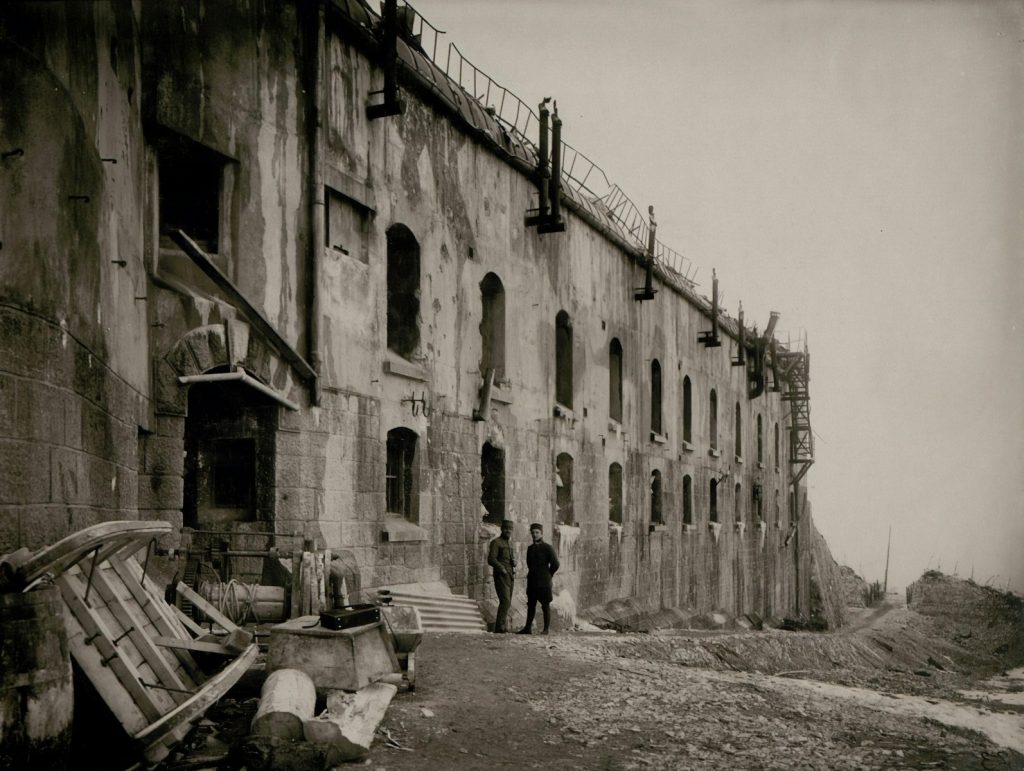
Then, Heidelberg University flourished. In addition to its high level of research capabilities, it was also known for the liberty and openness, attracting a large number of foreign students. Its second golden age began at the same time, during which many notable academic achievements and scientists emerged, including Hermann Helmholtz, Gustav Kirchhoff and Max Weber. Unfortunately, the second golden age was ended by the outbreak of war in 1914.
Not until 1960s Heidelberg University developed into a mass university after the number of students doubled between 1950 and 1960. To date, there are 57 Nobel Prize winners and 23 Leibniz Prize laureates from Heidelberg University, those who have once studied or taught at this university.
Heidelberg -- A Real Student City
Heidelberg, home to Heidelberg University, is famous as a student city. According to the statistics, 39,000 students live in the city, accounting for 24% of the population. In addition to Heidelberg University, there are a total of 17 higher schools in Heidelberg. Consisting of 12 faculties, Heidelberg University is spread across three campuses in the old town (Altstadt), Bergheim and Neuenheim.
The city is located on the Neckar River, and its old castles are historical and very famous. The 16th-century castle ruins lie high above the city, while the beautiful old pedestrian bridge and the Heiliggeistkirche are located in the middle of the old town.
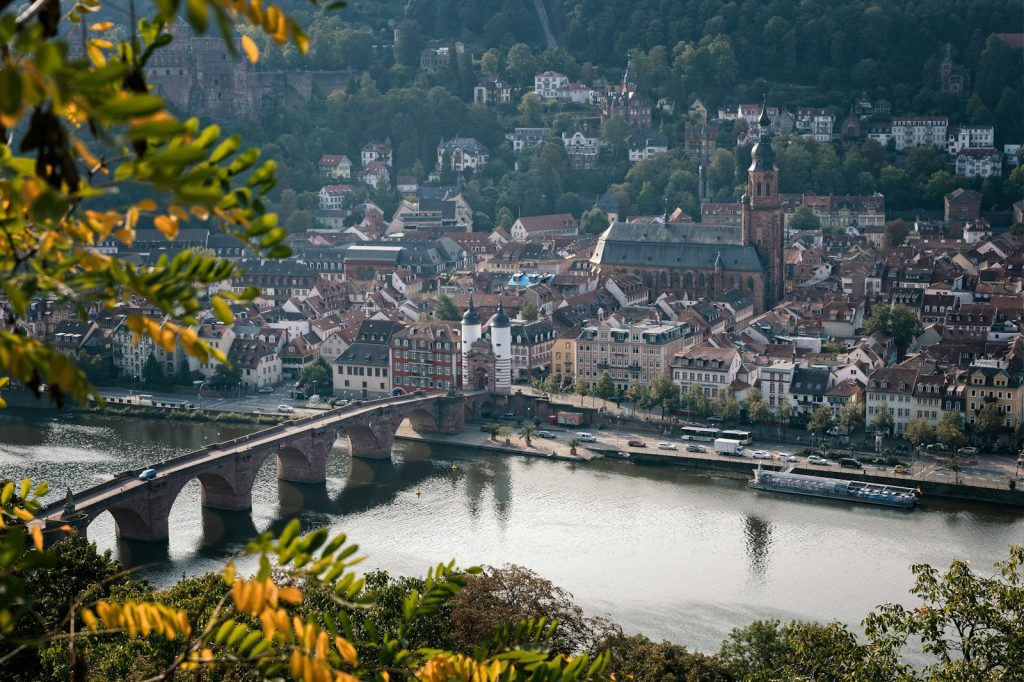
Thanks to the city’s compact size, you can always reach your destination quickly, no matter by bike or by bus. When the weather is nice, it is a great choice to take a walk along the Philosophers’ Path (Philosophenweg), enjoying the view of the old town and the castles. There are also plenty of fun activities for students in the local bars. You’ll never be bored as a student here!
Are you interested in studying in Germany and would like to learn more? You can find information about costs in Germany on our blog!