 Written by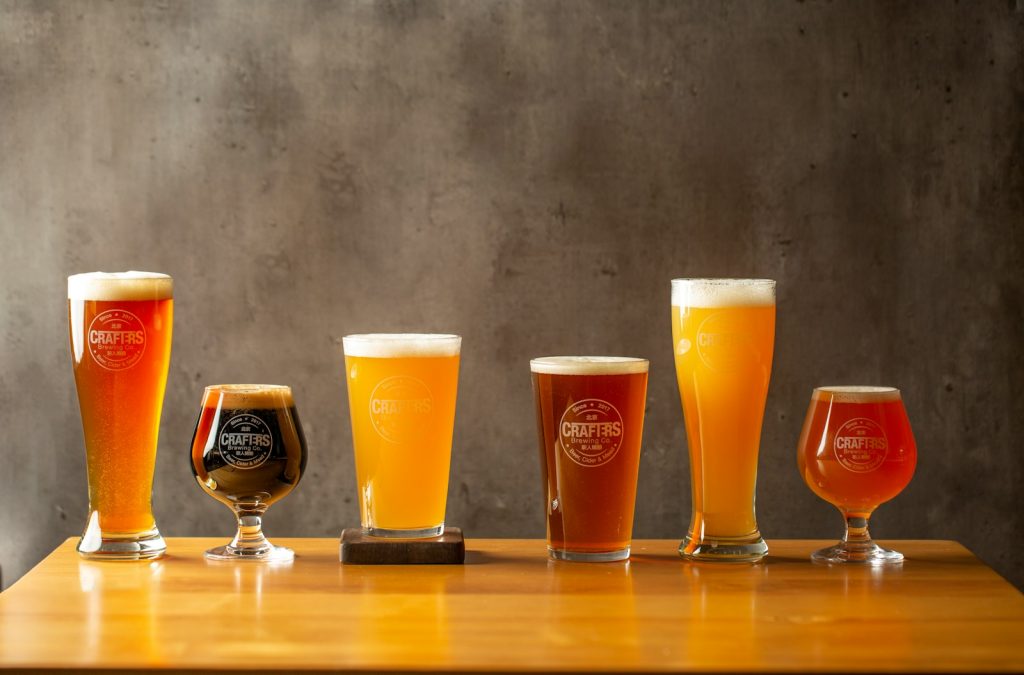
Germany -- A Country of Beer
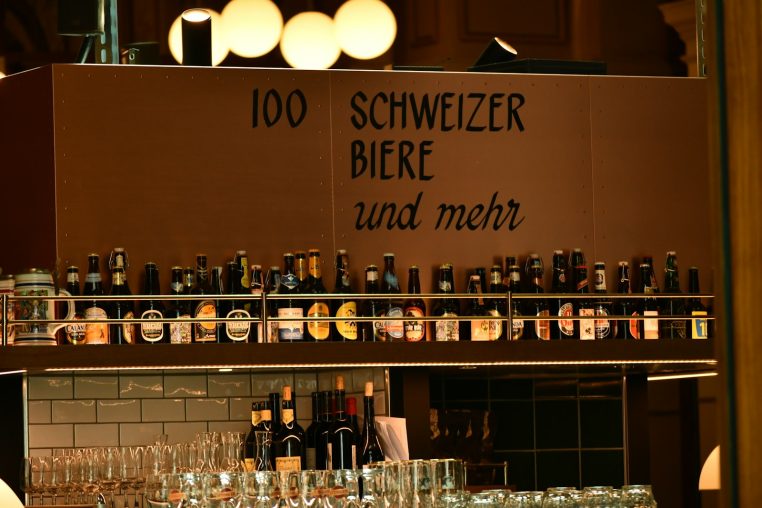
When you come to Germany, you simply have to try its amazing beer! Germany is a country of beer, where beer is one of those drinks that many people love. Whether you’re having a relaxed Sunday or enjoying a traditional festival, there’s always a beer to suit the occasion! In Germany there are over 1,500 breweries! Almost each federal state has its own brewery where local favorites are brewed.
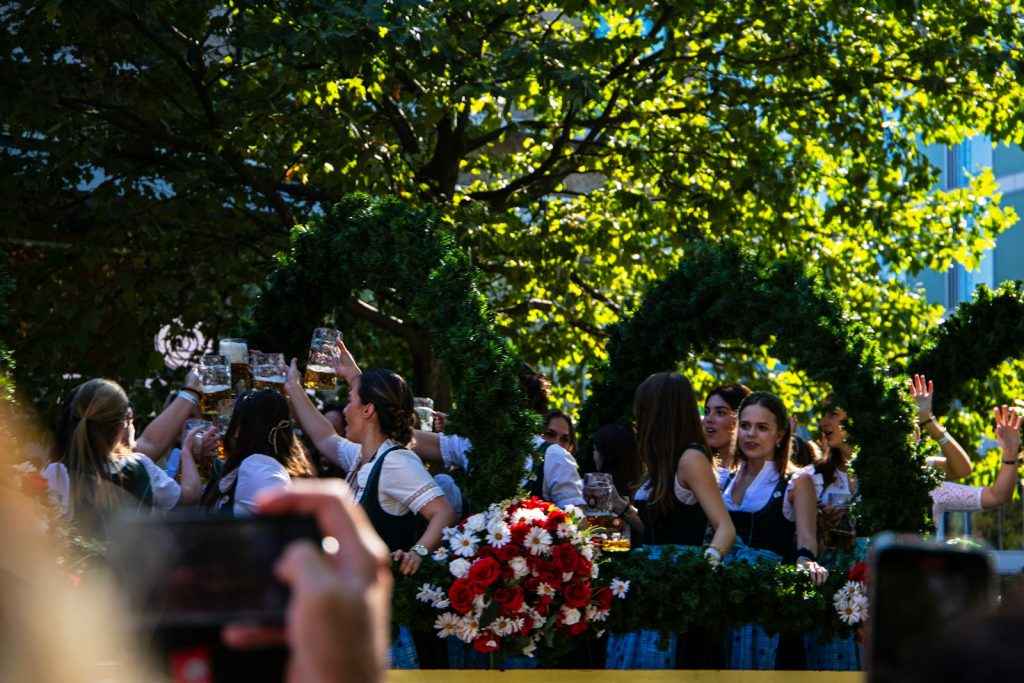
Statista shows that the average German consumed 88 liters of beer in 2024 and Germany is the European country that produces the most beer! Bavaria (Bayern), world-famous for its beer culture, is a place that everyone should visit at least once in their lifetime. Munich, one city in Bavaria, welcomes thousands of tourists to enjoy its special beer and make friends at Oktoberfest.
From Monks' Brewing Recipes to Global Brands
German beer has a long history, with its roots reaching all the way back to 800 BC! Beer mugs from that period have been found in caves, giving us a glimpse into the past. It shows that people in Germany started drinking beer around that time.
During the Middle Ages, beer brewing was popular among monks. They were fasting while still working hard, so it was really important that they had enough energy. So, they brewed beer—not for its spiritual purposes, but purely as a dietary supplement. After all, “liquids do not break the fast”.
The monks’ recipes for brewing beer was passed down over generations, developing the famous beer makers that we know and love today, like Paulaner und Augustiner Mönche. The annual Oktoberfest in October is a vivid reflection of beer culture today.
Wheat Was Not Allowed for Brewing
The German Beer Purity Law(The Reinheitsgebot) was very clear: beer was only allowed to contain three ingredients – barley, water and hops. The Reinheitsgebot has a few different versions. The one that’s most effective is the 1516 version in Bavaria. The Purity Law is seen as a symbol of beer quality, the breweries those claim to be compliant to the Reinheitsgebot have such a positive impact on marketing. The Reinheitsgebot was originally designed to protect our bakers from competition in the wheat market. Back in the day, wheat was only used in bread, which was the food of hunger. So, during times of crop scarcity, German wheat beer was only something the aristocracy could enjoy! But don’t worry, as time went on, it became possible to make wheat beer in a way that was totally legal. Now, German wheat beer has developed into such a classic and typical sort of beer.
German Wheat Beer -- From Forbidden to Renown
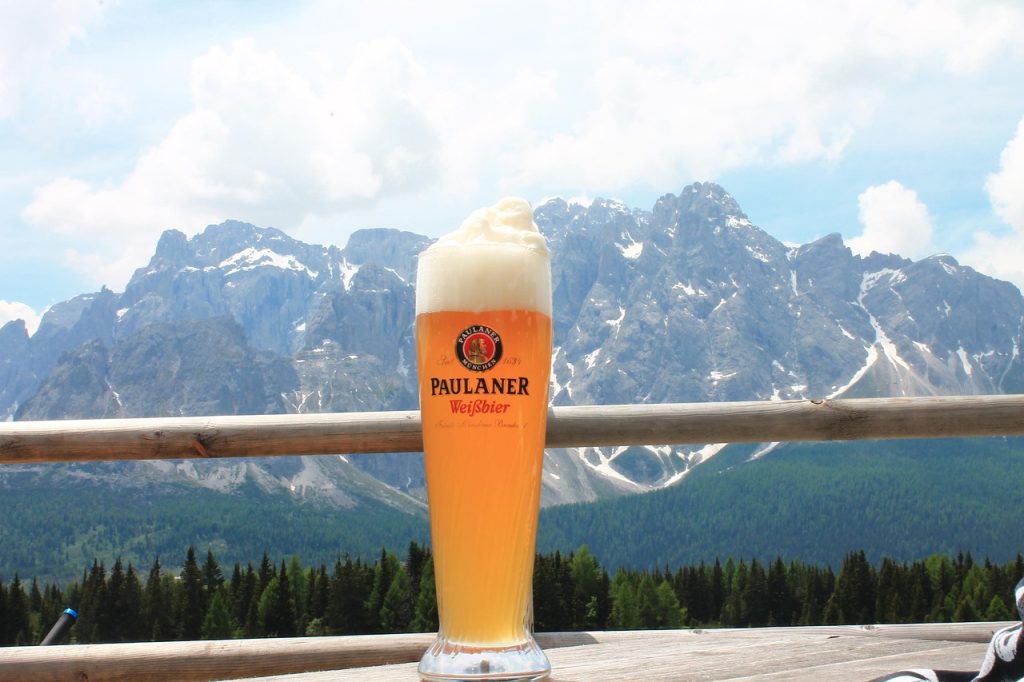
Beer with a high wheat content is known as a wheat beer — it contains at least 50% wheat malt. German wheat beer is low in hops, so it’s less bitter than other types of beer, and it’s well carbonated, so it tastes refreshing. Therefore, German wheat beer is a good choice for people to quench their thirst on those hot summer days.
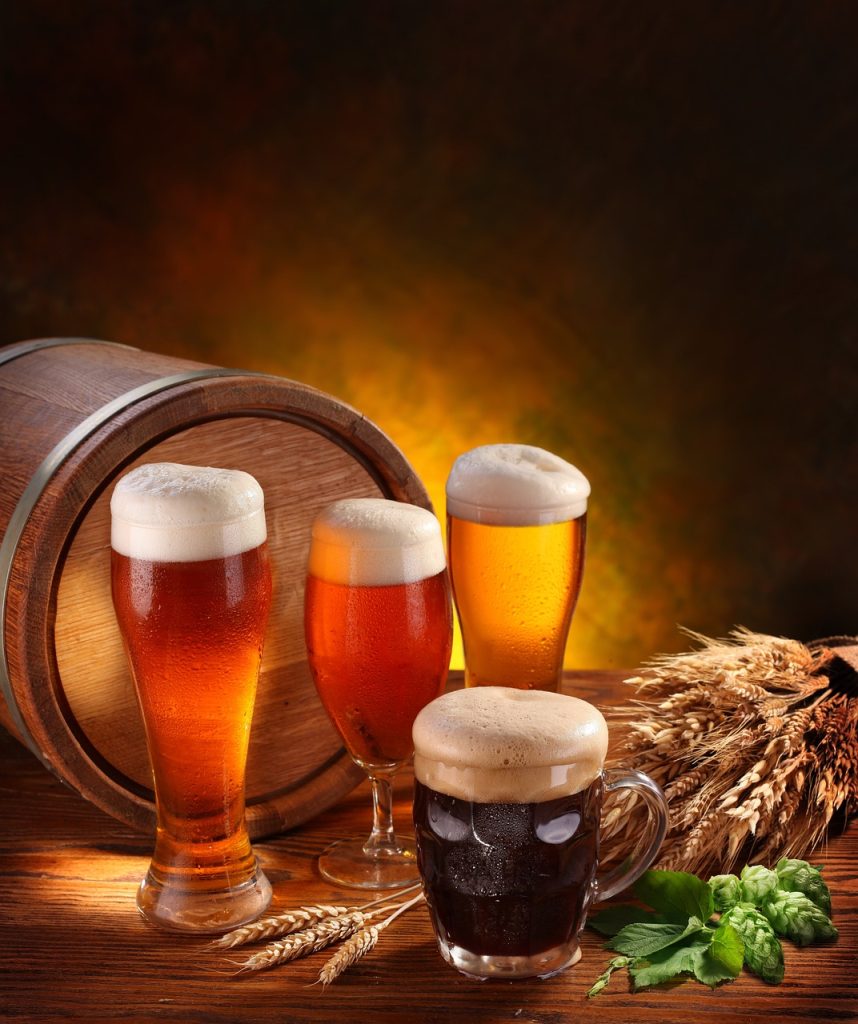
German filtered wheat beer -- Kristallweizen
Back in the 1960s, the only wheat beer around was Kristallweizen (usually 4.7%–5.3%ABV), also known as German filtered wheat beer. As the name implies, this is a clearer, golden body after the yeast has been filtered. With a flavor like clove and banana, Kristallweizen is often served in tall, slender glasses and it has a sparkling body similar to champagne. That why it’s often referred to as “champagne wheat”.
Unfiltered wheat beer -- Hefeweizen & Dunkelweizen
The opposite is Hefeweizen (usually 4.9%–5.4% ABV), which is a classic representation of German wheat beer. It is an unfiltered wheat beer. You might see the yeast that remains at the top of the beer, the body is relatively turbid, and you might also taste the beer with a stronger aroma. Hefeweizen is divided into two types: dark and light-coloured. When people refer to Hefeweizen, they are usually talking about light-colored Hefeweizen. While Hefeweizen brewed with dark-colored malt is known as Dunkelweizen (usually 4.5%-5.5%ABV), which is usually dark brown in color. This beer has a unique flavour, with hints of chocolate or caramel.
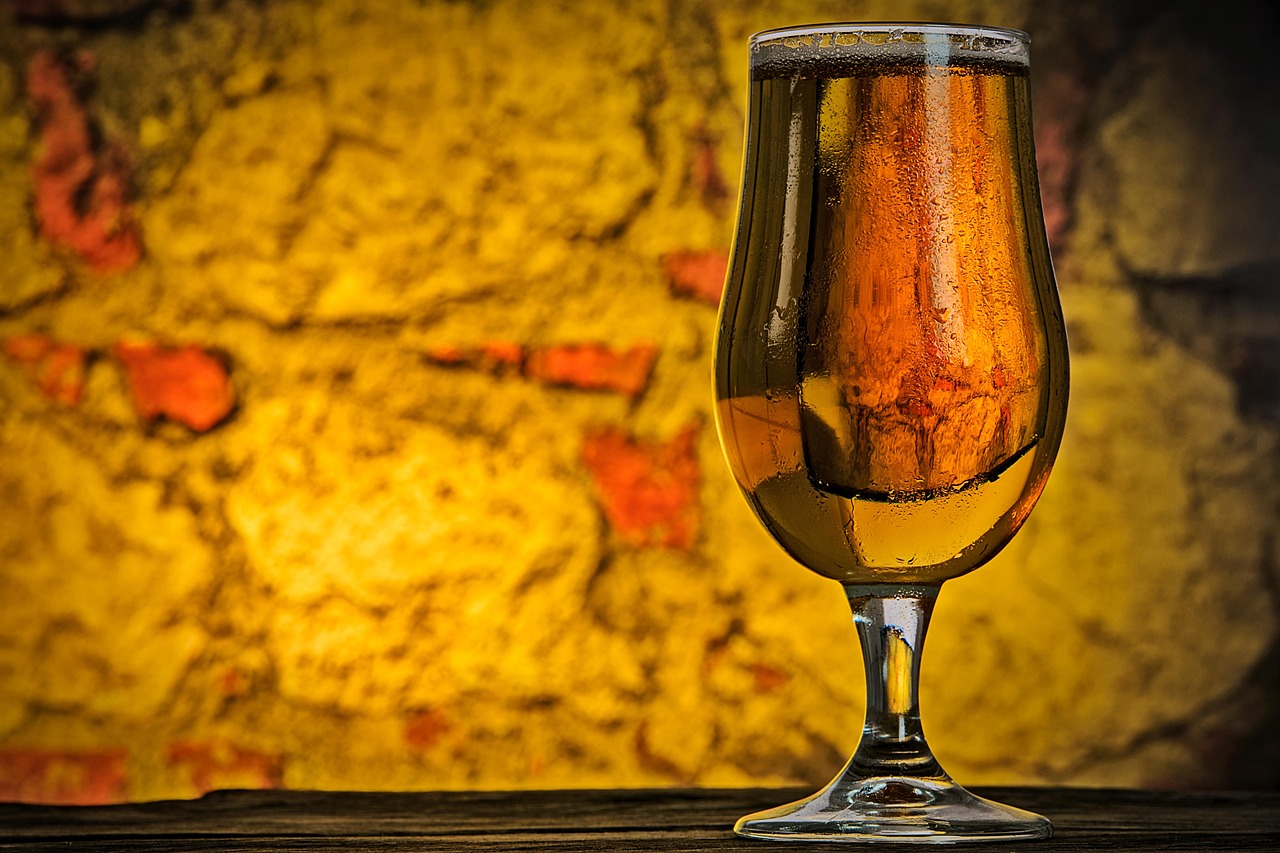
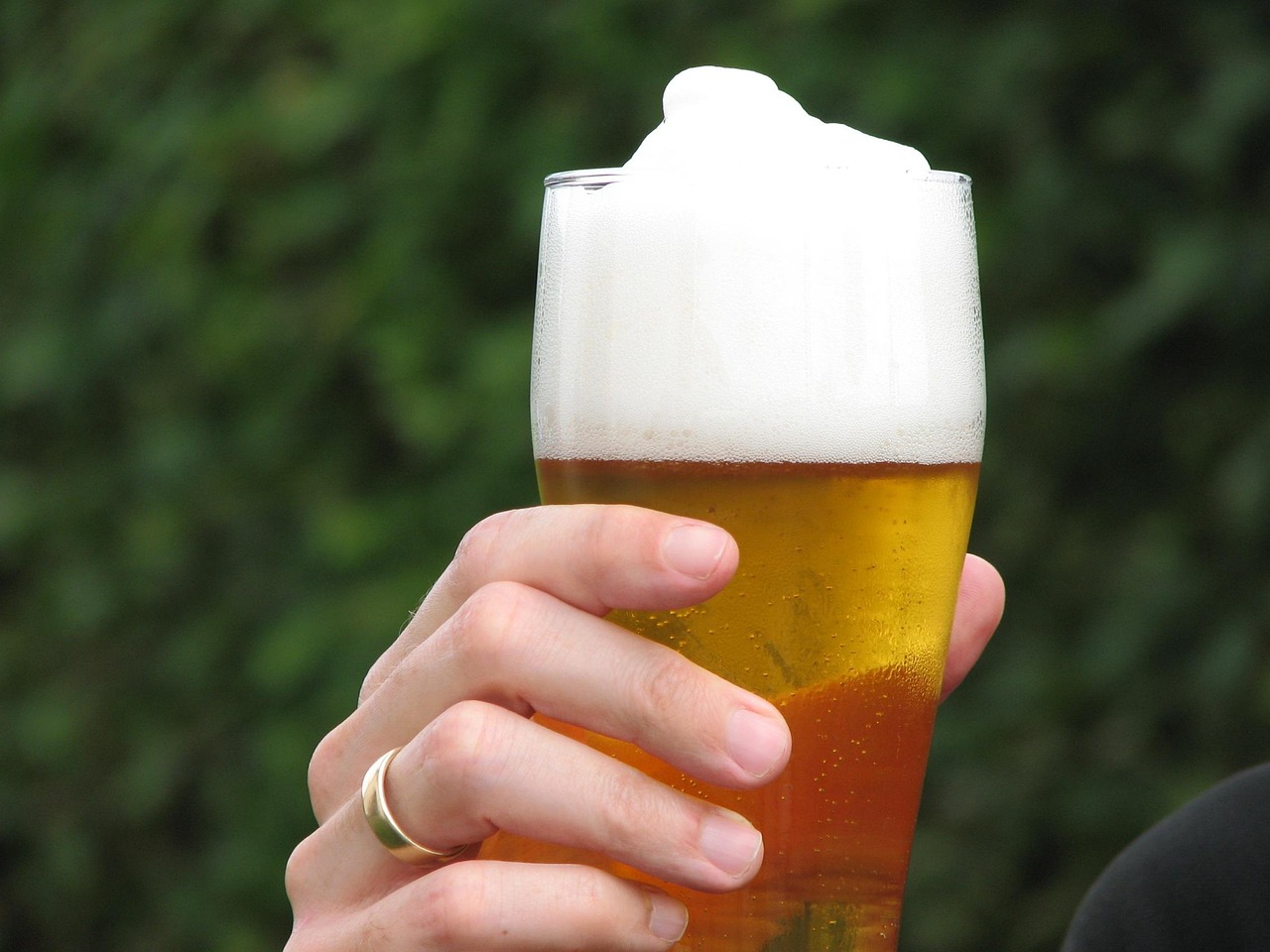
Blend of Spirits & Wheat -- Weizenbock
As well as these three classic German wheat beers, there is also Weizenbock (usually 6.5%-9% ABV), a mix of wheat and bock (Lager). You can find it in dark and light colors, and the great thing about it is that it inherits the high alcohol content of the bock, while highlighting the aroma of wheat. It is an excellent blend for fans of both spirits and wheat flavors.
More Variations -- Cocktail with German wheat beer
Instead of just having a basic wheat beer, why not try a beer cocktail with it? These cocktails are made with wheat beer as a base, so you easily get that sweet flavour. They’re also a great drink for a summer barbecue or party.
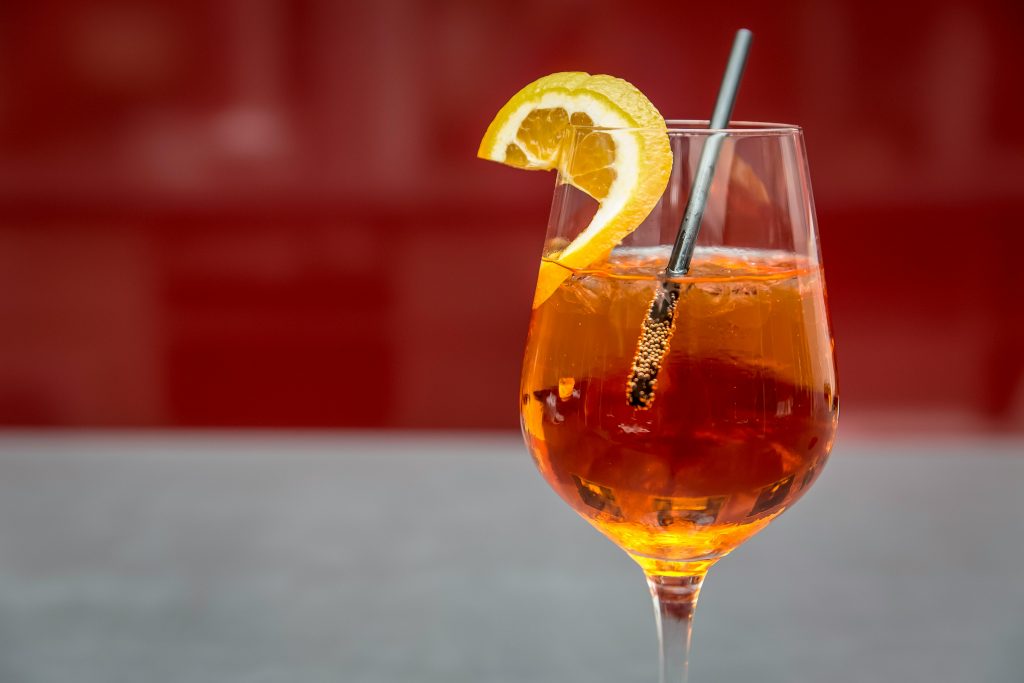
The beer industry is always coming up with new ideas, and there are loads of different types of beer now. To meet the needs of drivers, athletes and other health-conscious consumers, there is also the alcohol-free-beer (alkoholfreies Bier), a popular drink with a very low alcohol content (usually ≤0.5% ABV) that retains the flavor of traditional beer.
Now you are looking forward to trying German wheat beer and finding the best brand? Have a look at the ranking list!