
 Written by
 The German Education System is famous for its early ability tracking—-students pick their academic paths right after primary education. The system is divided into five main stages:
- Early Childhood Education
- Primary Education
- Lower Secondary Education
- Upper Secondary Education
- Tertiary Education
At each stage there are various options for families, so kids can pick the path that suits best their strengths. After all, one size doesn’t fit all.
Early Childhood Education
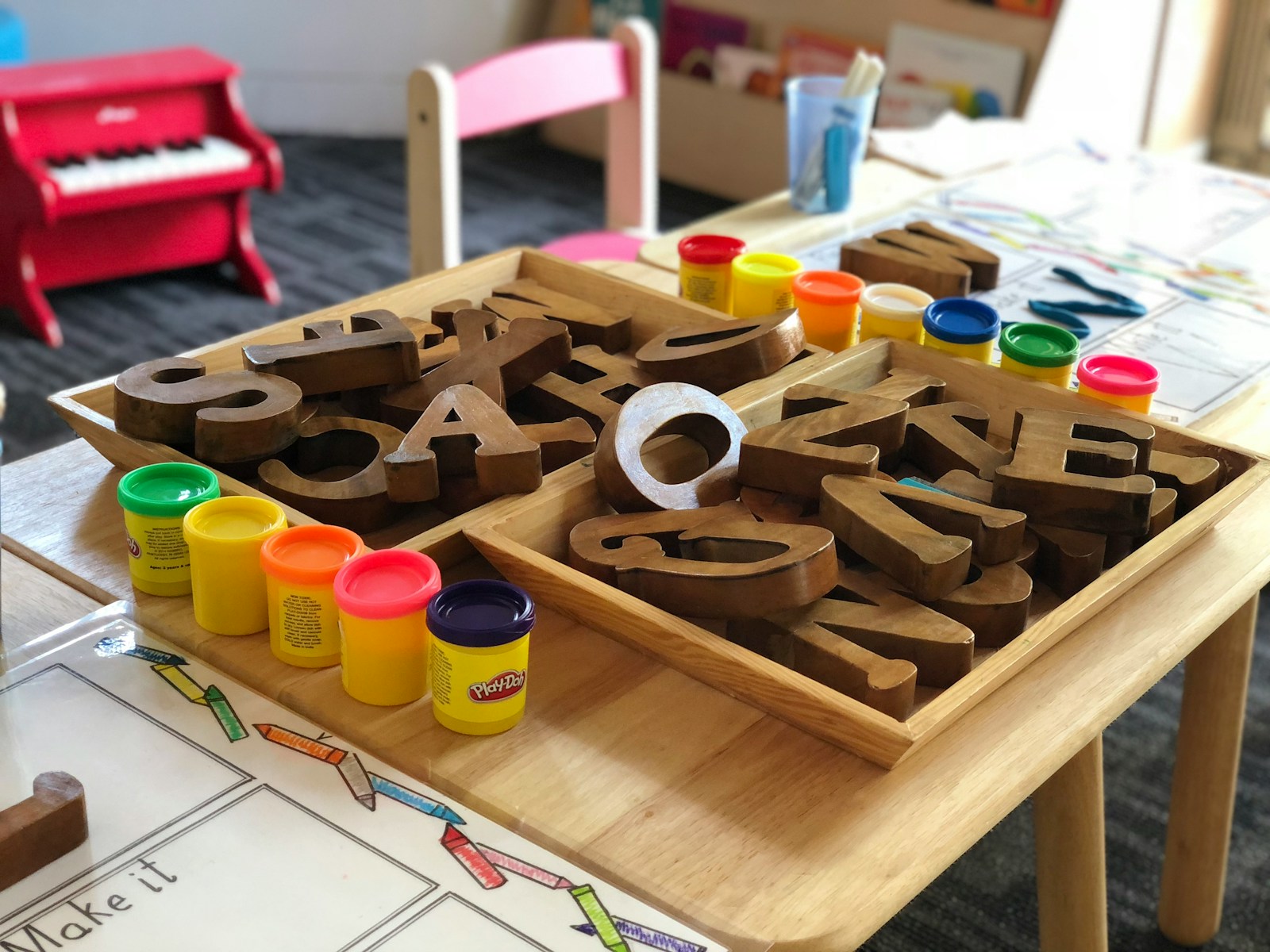
Optional preschool and daycare
Early childhood education in Germany, including preschool and daycare for children under six, is entirely optional. Kids can optionally stay at home with parents or go to kindergartens. If parents prefer early preschool options for their children, they can choose:
- Crèches (Kinderkrippen) –for the under-3 crowd
- Kindergartens–for children aged 3-6
- Day-Care Centers(Kitas)–a mix of the under 3 and those from 3 to starting primary school
Primary Education
Grundschule--where it all begins
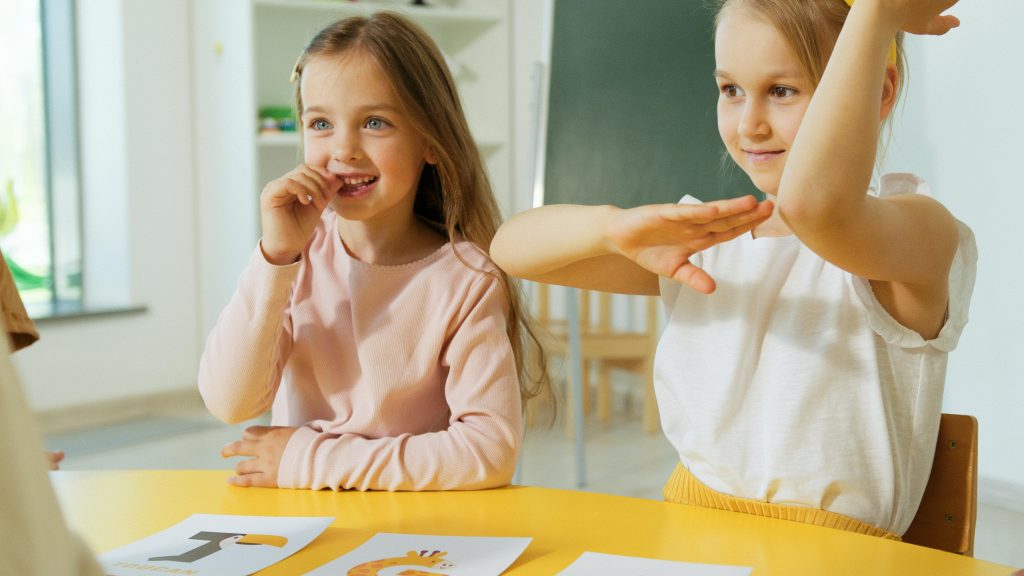
School becomes compulsory for all children between 6 to 15 years old. The school-age children start at primary schools(Grundschule) when they are developmentally ready, and complete at the fourth grade. However, here’s exception—- those children in Berlin and Brandenburg stay in Grundschule through sixth grade.
Student’s academic performance in primary school plays a big role in shaping their future eduacation. At this crucial transition point, teachers provide a school recommendation (Schullaufbahnempfehlung) suggesting which secondary school track would be most suitable. While this recommendation carries weight, its actual influence varies across Germany’s federal states – some treat it as strong guidance, others as more of a suggestion.
Secondary Education
Time to pick a path--Early Ability Tracking of The German Education System
After completing primary school, students move on to secondary education, which is divided into two phases:
- Lower secondary education (Sekundarstufe I)
- Upper secondary education (Sekundarstufe II)
Pupils finish lower secondary education by completing 9th or 10th grade (ages 15-16), which also marks the end of compulsory schooling in Germany. Before beginning secondary education, children need to choose which type of school best matches their abilities and interests. Germany offers both public and private secondary schools, with four main options available:
Hauptschule–Vocational Focus
Hauptschule places practical and vocational training at the heart of its curriculum, preparing students for entry into the workforce. Students can complete their Hauptschule education in two ways:
- After 9th grade: Receive a basic school-leaving certificate (no final examination required)
- After 10th grade+final exams: Earn the basic secondary diploma (Hauptschulabschluss), a diploma that opens doors to further vocational education opportunities
Realschule–A Balanced Approach
Realschule offers a mix of general education and pre-vocational training. Students who successfully complete:
- 9th grade: Earn the basic secondary diploma (Hauptschulabschluss).
- 10th grade + final exams: Receive the intermediate school-leaving certificate (Mittlere Reife).
With strong grades (and often a second foreign language), Realschule graduates can transfer to the Gymnasium’s upper secondary level (Oberstufe II) to pursue university eligibility.
Gymnasium–The Academic Path
Gymnasium is the most academically rigorous of Germany’s secondary schools, preparing students for university. Students attend Gymnasium up until they are 18, from the fifth to the 12th or 13th grade. After 10th grade, students choose between leaving with the Mittlere Reife and continuing to upper secondary (Oberstufe II) for the Abitur, which technically grants university access or advanced vocational training.
Gesamtschule–German Comprehensive School Model
Gesamtschule, combining all three secondary tracks, serves as an alternative to Germany’s traditional tracked system, though it’s only available in certain states. Students graduate at around 16 (with a lower secondary certificate) or 18 (with the Abitur), depending on their chosen path. Unlike the rigid separation into Hauptschule, Realschule, and Gymnasium, this comprehensive school delays tracking decisions—giving students more time to explore their options.
Tertiary education
Two Paths, One Success
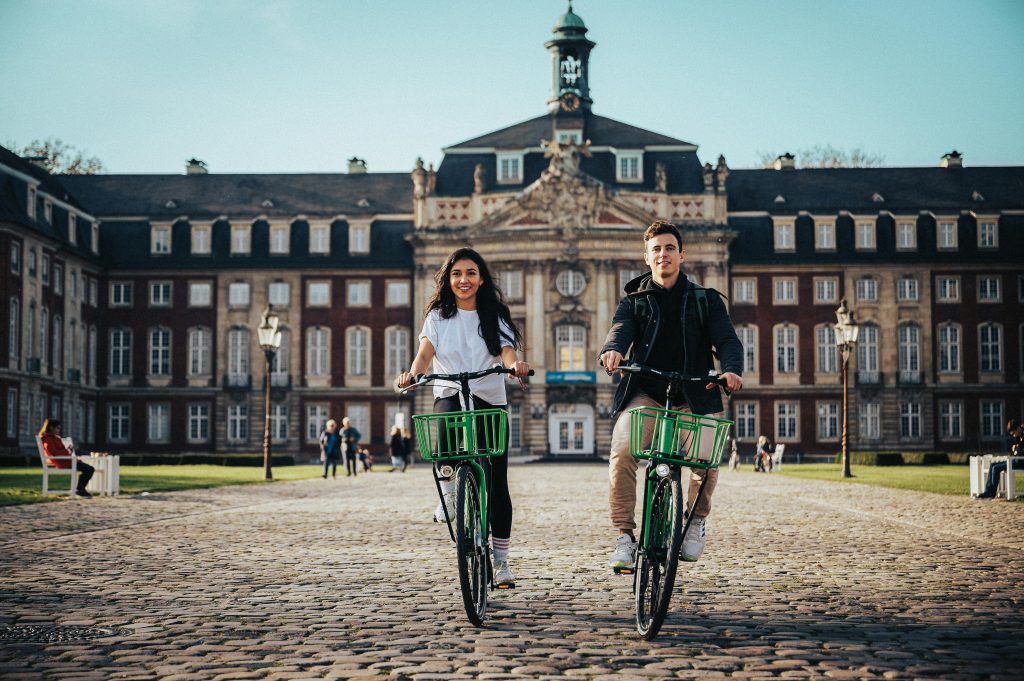
Germany offers two research-oriented options for Abitur holders:
- Universities (Universitäten): Focus on theoretical knowledge and academic research
- Universities of Applied Sciences (Fachhochschulen): Combine academic study with practical training
German higher education follows a bachelor’s (3–4 years) to master’s (1–2 years) to PhD (research-focused) progression. Graduates benefit from strong career prospects due to Germany’s renowned higher education system. Remarkably, German public higher education system charges no tuition fees.
Interested in German universities? Explore the country’s best university in our guide.
Vocational Higher Education
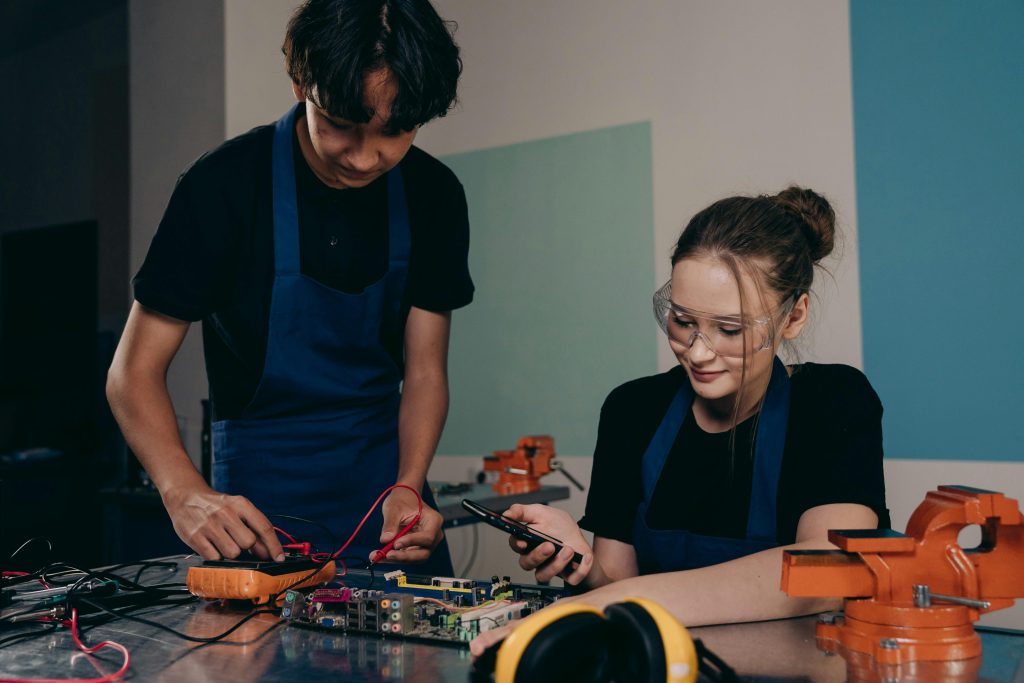
For hands-on learners, Germany’s dual vocational system integrates:
- Classroom instruction at vocational schools (Berufsschulen)
- Paid, on-the-job training at certified companies or workshops
Unlike university pathways, vocational programs don’t require the Abitur – students can enter with either a Hauptschulabschluss or Mittlere Reife. But before starting vocational training, students must secure a signed contract with an accredited employer.
Conclusion
The German Education System is widely regarded as one of the world’s most successful and renowned – both highly comprehensive and remarkably complex. We hope this article can give you a clear overview and inspire you to explore further. If you want to learn more about studying in Germany, please check the link.



The German education system will always be the top and one of the highly rated in the world. I would love to study in Germany one day!